
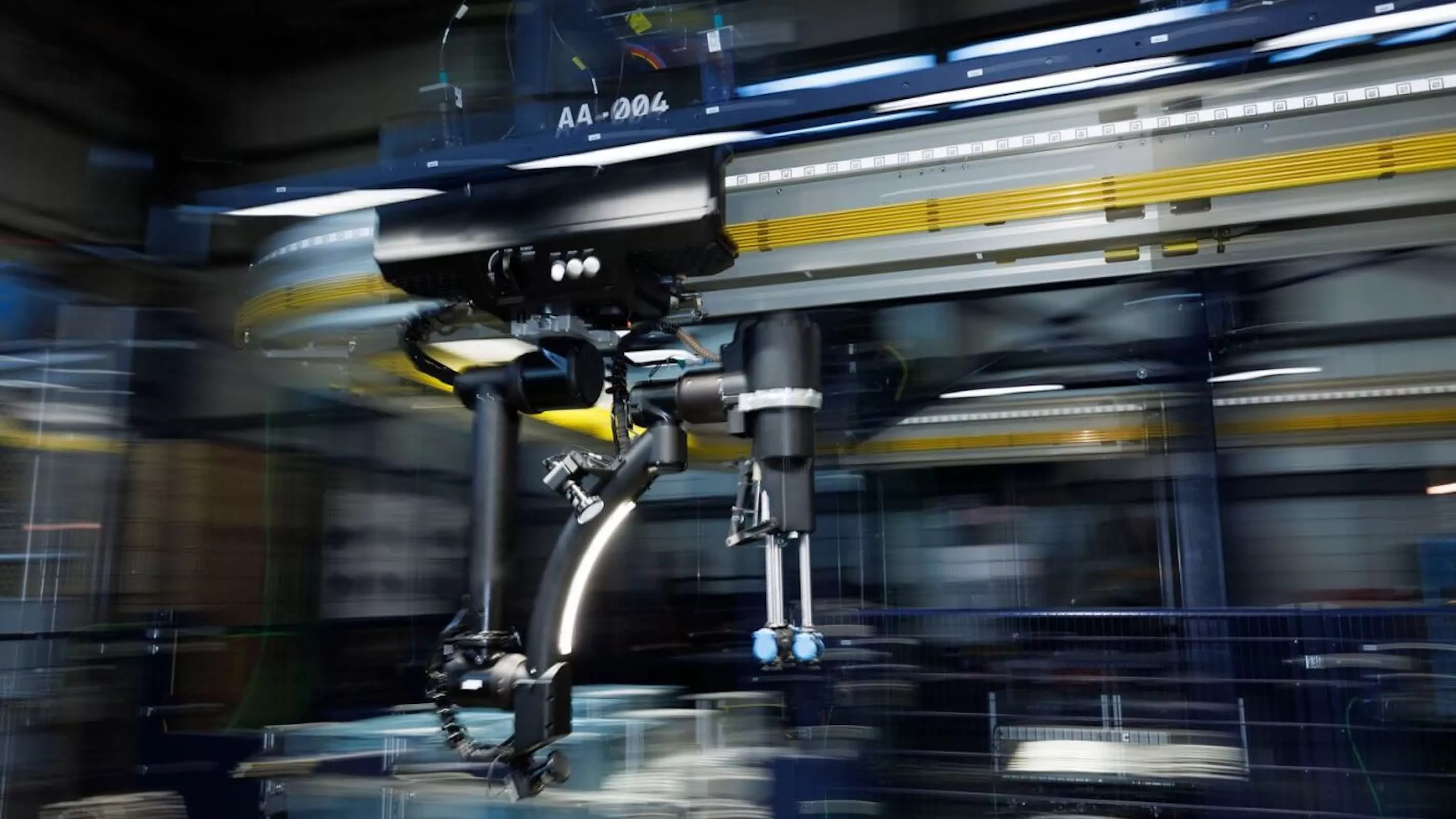
Amazon has quietly shelved Blue Jay, a multi-armed robot designed to accelerate same-day deliveries, just a few months after its high-profile debut. The company confirmed that the machine’s core technologies will continue to be used in other warehouse projects, but the Blue Jay program itself reportedly ended in January.
The discontinuation marks a major course correction in Amazon’s robotics strategy – and underscores the persistent gap between AI’s rapid progress in software and its slower, costlier translation into the physical world. Blue Jay, introduced in October 2025, represented Amazon’s fastest-developed warehouse robot to date, leveraging advances in artificial intelligence to teach multi-arm coordination and object manipulation in under a year.
When first shown to employees, Blue Jay was touted as a leap forward: a ceiling-mounted system capable of recognizing, sorting, and handling several packages at once. The robot used AI-based perception models and was designed to reduce strain on workers while speeding up the critical same-day fulfillment process – a core competitive front in e-commerce logistics.
Despite its promise, Blue Jay’s short lifespan reflected significant engineering challenges. People briefed on the project described steep manufacturing costs and complex installation demands, particularly due to its ceiling-mounted structure.
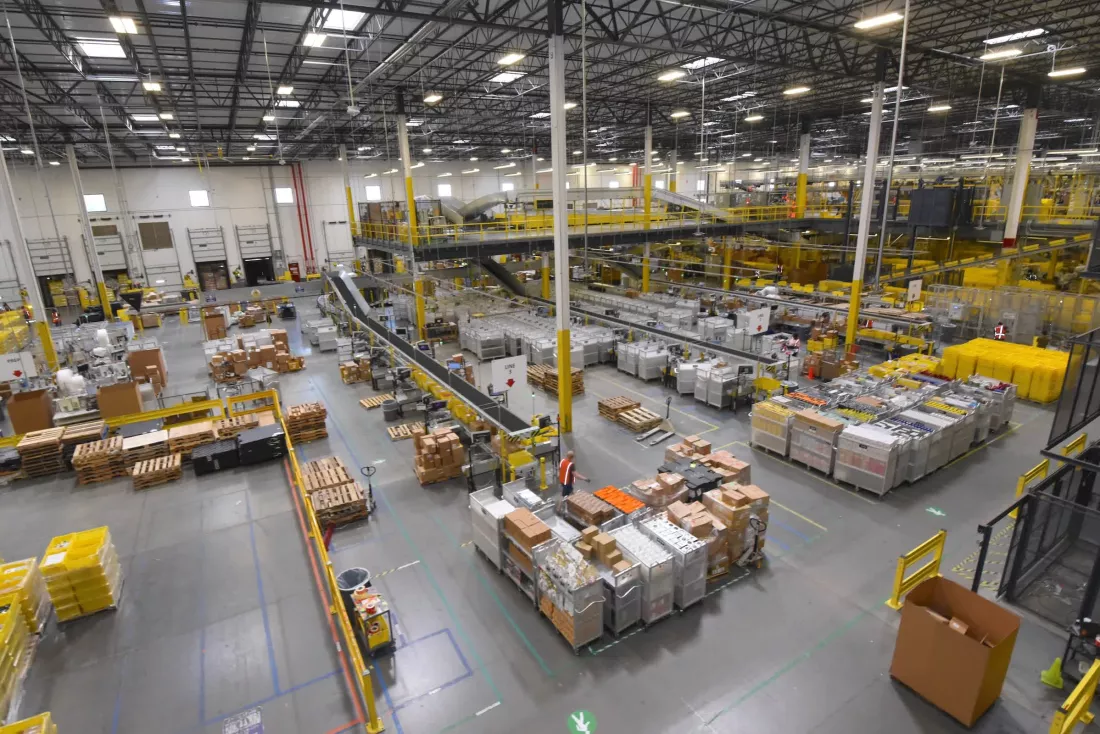
Amazon’s Local Vending Machine (LVM) warehouses are described by sources as largely monolithic same-day systems, with automation tightly integrated into a single, massive structure. Blue Jay was designed to operate within that framework, leaving limited room to reconfigure the hardware beyond the constraints of that integrated layout, according to those people.
Several employees working on Blue Jay have since been reassigned to other robotics programs, according to multiple people familiar with the matter. Amazon spokesperson Terrence Clark said the company continues to test and retool warehouse automation systems, emphasizing that technology developed for Blue Jay will inform future designs.
“We’re always experimenting with new ways to improve the customer experience and make work safer, more efficient, and more engaging for our employees,” Clark said in a statement to Business Insider.
Amazon’s next step is expected to center on a warehouse architecture dubbed Orbital, described by sources as a shift away from the LVM model toward a more modular, flexible structure. Unlike LVM’s fixed design, Orbital can be assembled from multiple smaller units and deployed more quickly across varying warehouse layouts.
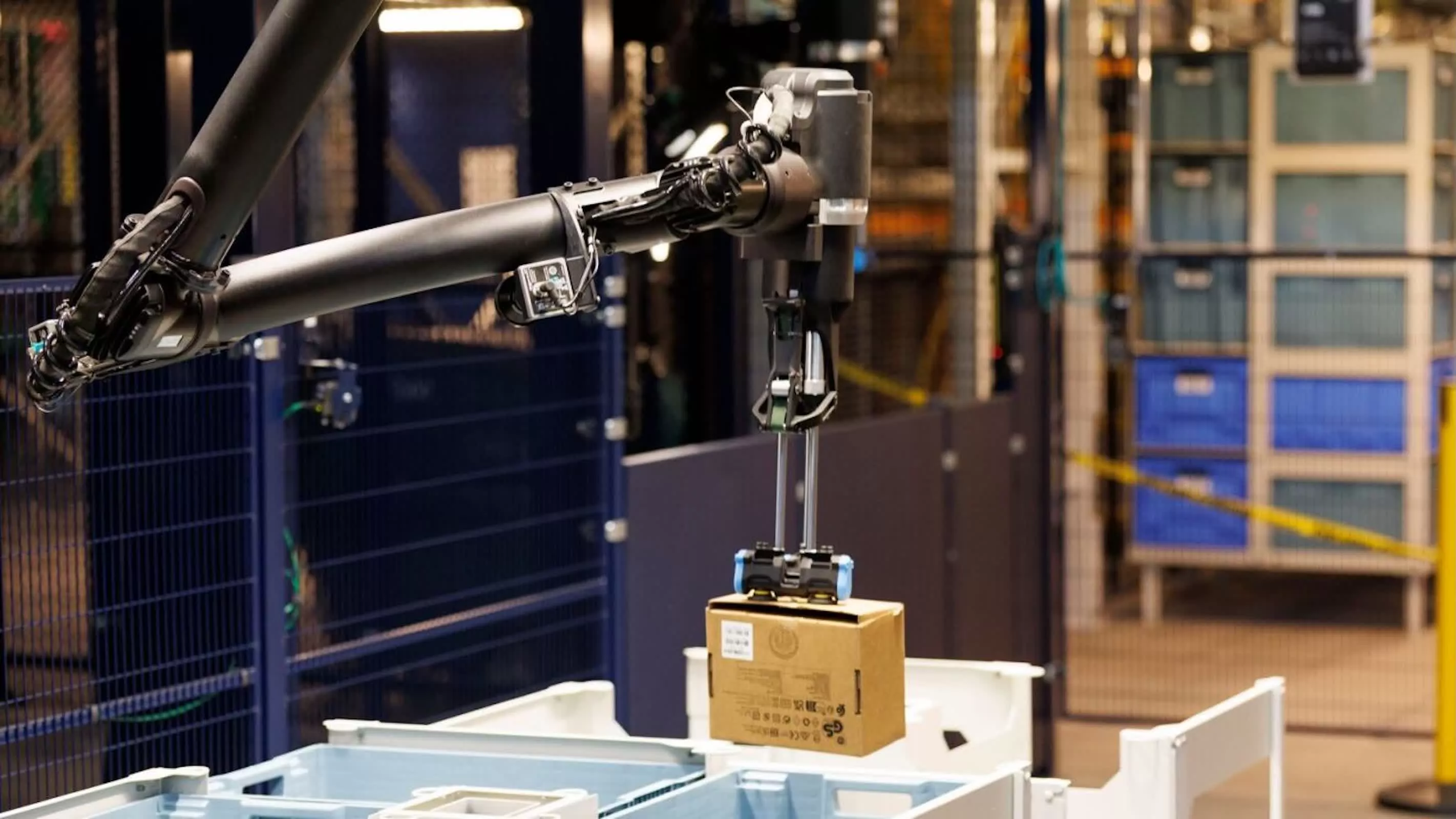
As Amazon shifts away from its older LVM model toward the more modular Orbital architecture, its next-generation warehouse hardware is taking shape as well. Flex Cell is a new robotics system that Amazon plans to develop using parts of Blue Jay’s technology. Unlike Blue Jay, which was mounted to the ceiling, Flex Cell is expected to be floor-mounted.
The shift toward Orbital reflects broader trends within Amazon: smaller fulfillment hubs, faster deployment cycles, and integration across retail channels such as Whole Foods. Sources said the modular approach could allow Amazon to place high-efficiency micro-fulfillment centers behind retail stores – particularly for chilled and perishable inventory, areas where the company trails Walmart.
While early internal timelines suggest an Orbital-based same-day facility may not open until 2027, the program represents Amazon’s clearest move yet toward modular automation. Its success will hinge on how well Amazon’s robots – once designed for massive, centralized fulfillment operations – adapt to the fragmented, unpredictable infrastructure of local retail and urban distribution networks.
Originally written by: Skye Jacobs
Source: TECHSPOT
Published on: 18 February 2026
Link to original article: Amazon quietly cancels Blue Jay warehouse robot months after debut
