
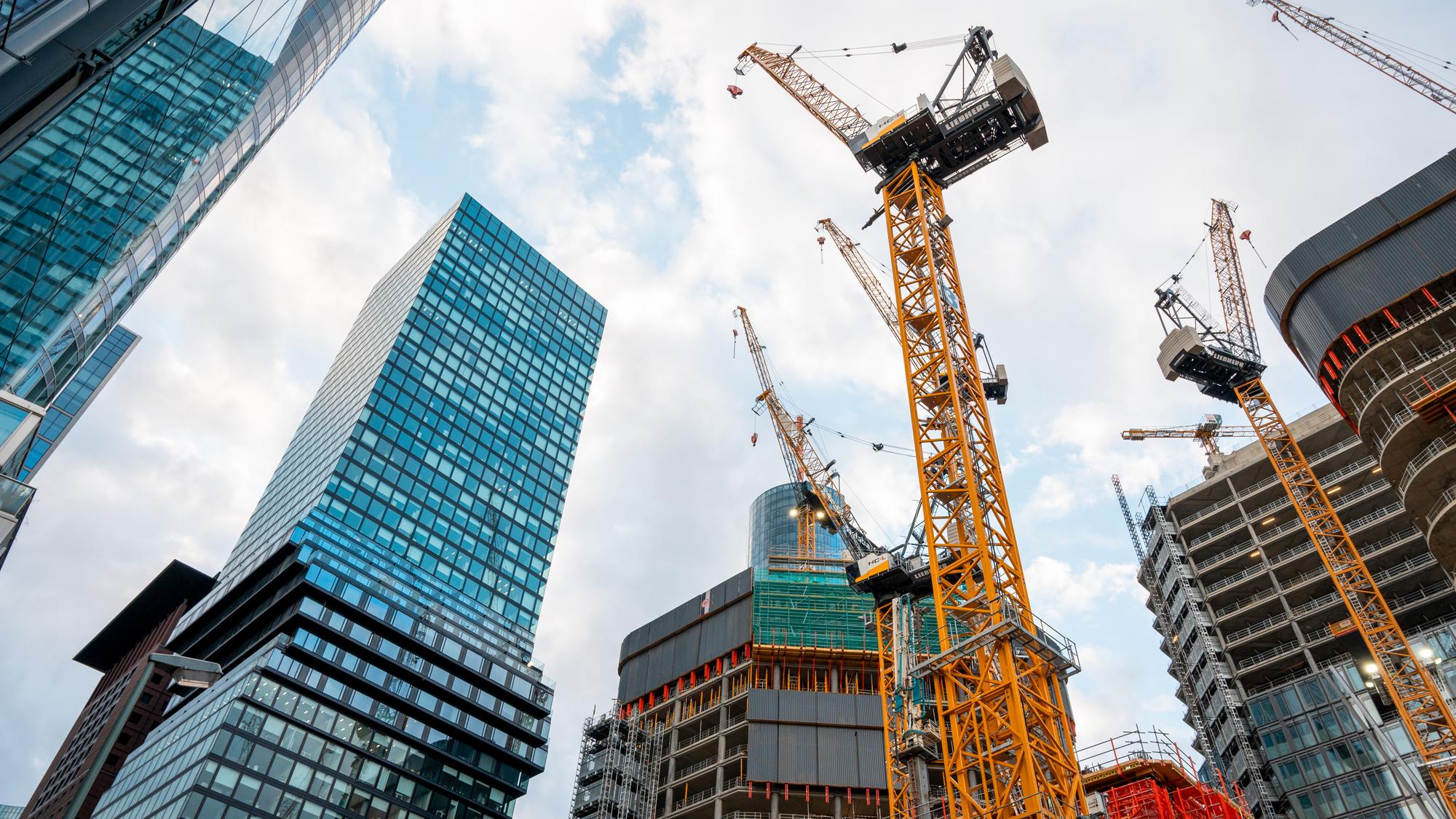
Construction’s long‑running productivity slump is under increasing scrutiny as artificial intelligence tools spread from offices to building sites.
For mortgage brokers, any lift in construction efficiency has direct implications for project risk, the housing supply pipeline, and how confidently first-home buyers and property investors can commit to off‑the‑plan purchases. Recent ABS figures show Australia is already 77,500 homes behind its five-year housing target, underscoring the urgency of lifting construction productivity.
That AI shift is not just theoretical. Recent KPMG research suggests it is already under way, with 43.8% of Australian construction leaders saying AI is adopted at scale in their organisations, almost double the 24% global figure.
Ray White chief economist Nerida Conisbee (pictured) says the sector’s underperformance has been entrenched for decades.
“Construction’s productivity problem is not new – it is evident in how little progress has been made over time,” she wrote in a LinkedIn analysis, noting that labour productivity has barely moved since the late 1980s even as other sectors have surged. That gap shows up in slow delivery times, cost overruns, and patchy project viability.
Where AI can move the dial first
Conisbee argues that the biggest step‑change is still expected from factory‑style delivery.
“The largest potential productivity gains in construction are still expected to come from robotics and modern methods of construction, such as prefabrication and modular building,” she said.
Those methods remain limited in Australia, but they signal where the industry could ultimately head: more standardised, predictable builds that are easier to finance and insure.
In the meantime, AI is starting to lift productivity in more incremental ways. Scheduling tools can analyse complex build programs to reduce downtime between trades, helping projects run closer to timetable. Design‑checking software can flag clashes and inconsistencies before anyone is on site, cutting down on rework that blows out budgets.
Data‑driven forecasting can also help developers and builders better anticipate weather disruptions, supply chain bottlenecks and cost swings – all factors that influence construction risk and, ultimately, mortgage rates and pricing assumptions.
These efficiency gains matter as costs keep climbing: without them, rising input prices flow straight through to project budgets and, eventually, end‑borrower affordability. Recent forecasts point to national construction cost increases of around 4% to 6% in 2026, with residential build costs now sitting roughly 40% above pre‑2020 levels.
Conisbee cautions that expectations should remain realistic.
“AI is unlikely to solve construction’s productivity problem on its own – but it does address many of the factors that have held the industry back,” the Ray White economist said.
Originally written by: Mina Martin
Source: AustralianBroker
Published on: 13 April 2026
Link to original article: AI promises to chip away at construction’s productivity drag
