
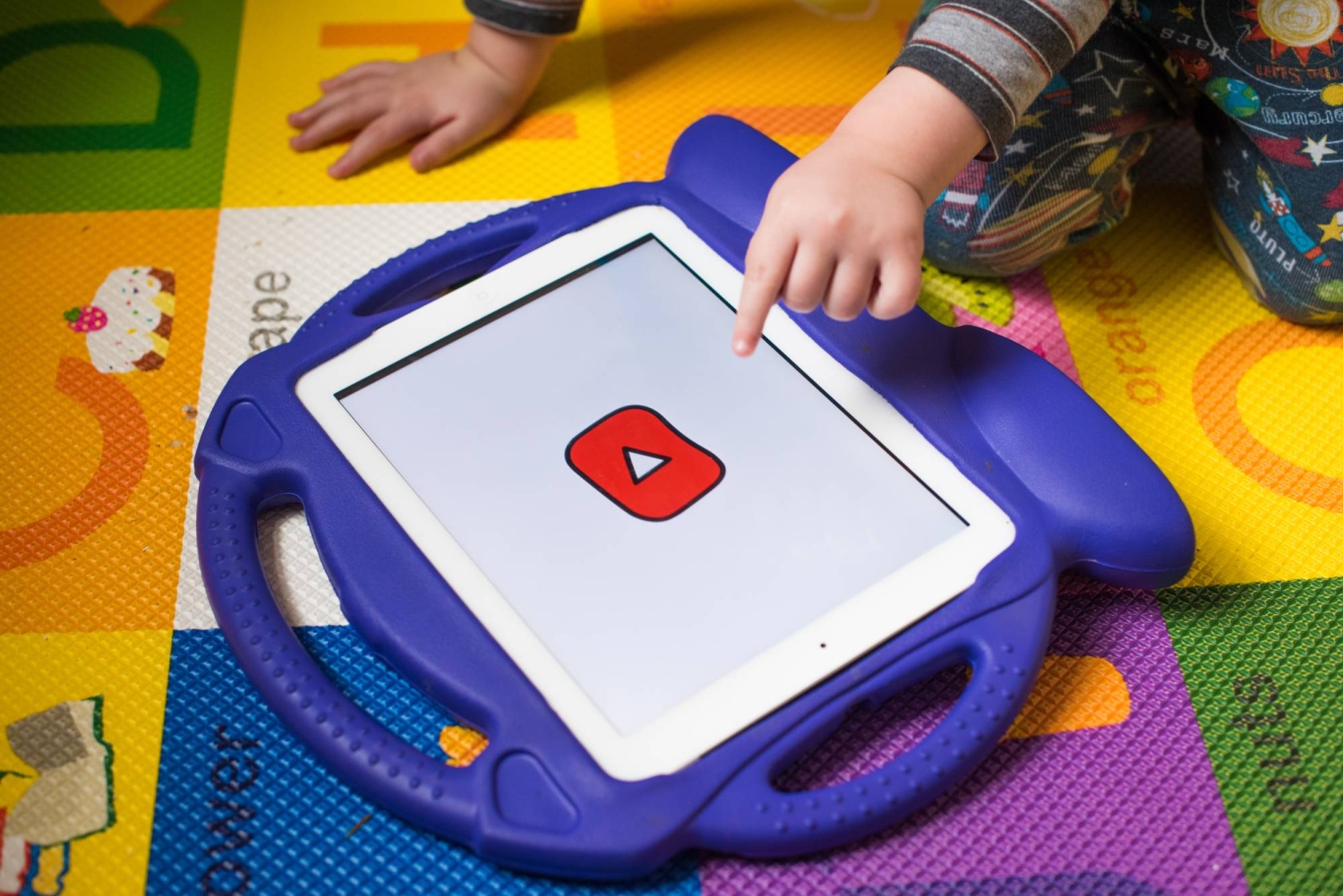
Google is facing demands from child development experts to prohibit videos created with artificial intelligence from being shown or recommended to young viewers across YouTube and YouTube Kids.
More than 200 children’s specialists, advocacy groups and schools sent a letter to Google Chief Executive Officer Sundar Pichai and YouTube CEO Neal Mohan on Wednesday raising concerns about what they view as a lack of substance in many AI-generated YouTube videos that claim to be educational.
In the letter, the advocates also criticized the perceived low quality of kids’ content being mass-produced by AI generators, and the rise in creators on Google’s YouTube video service that use artificial intelligence to make clips aimed at profiting off the world’s youngest and most impressionable viewers.
The child safety advocates worry that AI-generated material, some of it referred to as “AI slop,” affects kids’ attention spans and their ability to separate what’s real from what’s not. They also argue that time spent looking at a screen is replacing real-world activities that are key to children’s emotional and social development.
“There is much we don’t know about the consequences of AI content for children,” the group wrote. “YouTube is participating in this uncontrolled experiment by pushing AI-generated content without research demonstrating its benefits and without acknowledging the child development principles that tell us it’s likely mostly harmful.”
The letter was signed by social psychologist Jonathan Haidt, whose bestselling book The Anxious Generation kick-started a global movement to fight youth harm caused by social media and smartphones, as well as by child advocacy groups like Fairplay and the National Alliance to Advance Adolescent Health. The American Federation of Teachers and several schools also signed.
“We have high standards for the content in YouTube Kids, including limiting AI-generated content in the app to a small set of high-quality channels,” YouTube spokesperson Boot Bullwinkle said in an email, adding that parents also have the option to block channels. “Across YouTube, we prioritize transparency when it comes to AI content, labeling content from our own AI tools, and requiring creators to disclose realistic AI content. We’re always evolving our approach to stay current as the ecosystem evolves.”
AI-generated videos have become increasingly popular on YouTube, particularly those targeting toddlers and other youngsters. Some creators have found that outsourcing that work to an AI system makes it much easier and cheaper, and have even started sharing tutorials on how to build a business around spinning up videos for toddlers and babies.
Bullwinkle said “mass-producing low-quality content is not a viable business strategy on YouTube, as our systems and monetization policies are designed to penalize this type of spam.”
Mohan said in January that “managing AI slop” and “ensuring YouTube remains a place where people feel good spending their time” is a top company priority in 2026. But YouTube has also argued that not all content made with AI is “slop,” and that when done right, creating with AI can even be positive.
YouTube requires creators to label “altered and synthetic content.” The advocates argued in the letter that these labels are “unlikely to be understood by the preliterate children who are targets for much of this AI slop.”
In March, Google announced an investment into Animaj, an AI animation studio focused on making YouTube content for kids, part of an effort to improve the quality of its offerings for young users. One Google executive involved called it “a real blueprint for the future,” while child safety advocates criticized Google and Animaj for engaging “babies and toddlers who shouldn’t have any screen time at all.” They urged YouTube to halt “all investment in the creation of AI-generated videos for children.”
Wednesday’s letter arrived at a time when there are other outside efforts to change the way YouTube operates. In March, a landmark jury trial on social media addiction found Google and Meta liable for harming a young user with products designed to keep her hooked.
Both companies said they would appeal the verdict. Plaintiffs, consumer advocates and lawmakers, however, are now pushing the companies to change some of their most lucrative operational features, including their content algorithms.
Originally written by: Alexandra S. Levine
Source: The Japan Times
Published on: 2 April 2026
Link to original article: Google faces calls to prohibit AI videos for kids on YouTube
