
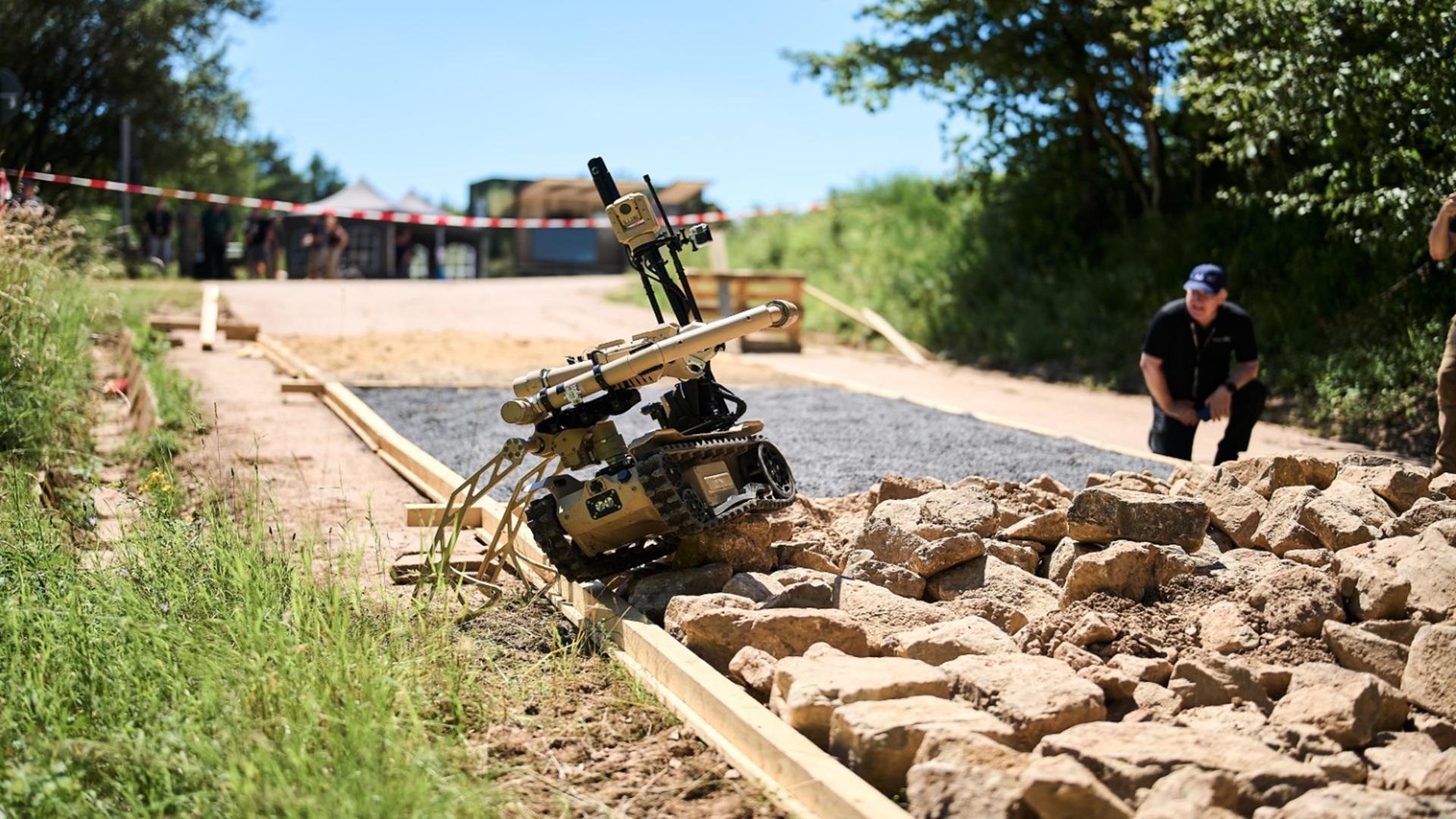
About 20 international teams with gather at the Swiss Army’s training area, where their robots will be pushed through extreme terrain and realistic military scenarios at one of Europe’s most demanding field trials for unmanned systems.
Set to take place between June 15 and 19, the European Land Robot Trial (ELROB) 2026, will be held at the Swiss Army’s Thun military training area in Switzerland. In its night edition, it will feature increasingly realistic battlefield challenges.
The competition, which is widely regarded as one of the world’s most demanding performance tests for military robotics is held by Armasuisse, the Federal Office for Defense Procurement in collaboration with the Swiss Army.
“This year’s field of participants is particularly exciting,” Frank E. Schneider, PhD, a researcher at the Fraunhofer Institute for Communication, Information Processing and Ergonomics (FKIE), said “An interesting mix of established teams we already know from previous events and those taking part in ELROB for the very first time.”
Europe’s toughest robotics test
The competition’s main disciplines include reconnaissance, transport (mule), and search and rescue (SAR). According to the FKIE, all teams will test their Unmanned Ground Vehicles (UGVs) and Unmanned Aerial Vehicles (UAVs) across these tasks over a period of four days.
The teams will also have to navigate unpredictable terrain and complete missions under conditions that closely reflect operational military environments. The Mule discipline, which has been drawing particular attention, involves robotic systems transporting equipment and supplies.
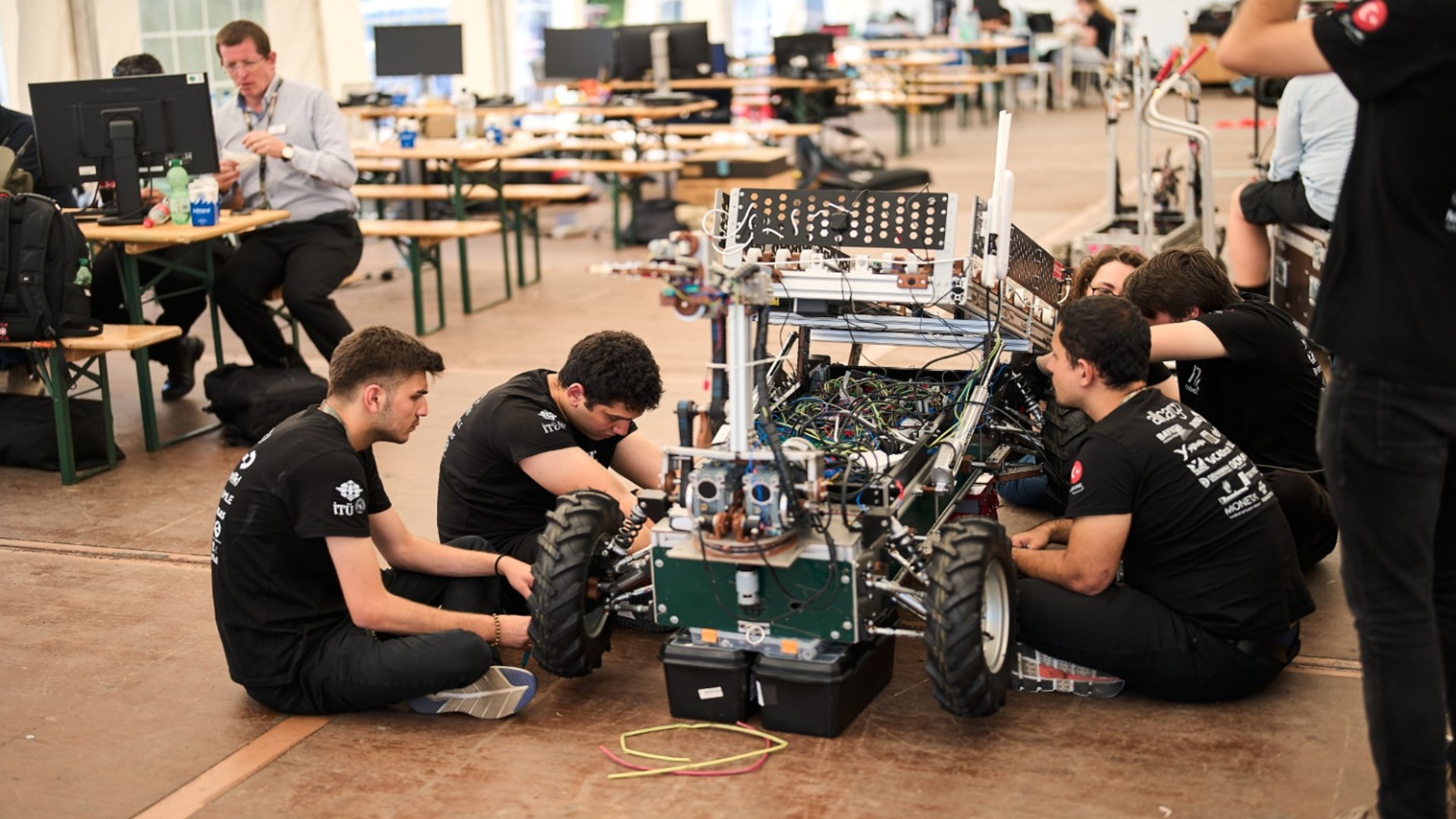
The Thun military training area. Credit: Fraunhofer FKIE / Fabian Vogl
“The transport of personnel and equipment is an essential component of military operations,” Schneider added. “In hostile environments, this is a dangerous and demanding task, which is why UGVs are increasingly being deployed here.”
Meanwhile, the Thun training area plays a critical role in the challenge. Covering about 2.5 square miles (6.5 square kilometers), it is the largest and oldest military training ground in the country. It also features varied terrain to tests the limits of robot mobility, sensing and autonomy.
FKIE said a temporary tent city at the center will house the teams. There, they will be able to code, calibrate and refine the robotic systems before the trials start.
Facing real-life missions
The research institute said this year’s competition will deliberately exclude urban environments. There will be no buildings or structured interiors to explore, and instead the teams will have to adapt to open, natural terrain, in order to develop new strategies and technical solutions.
“The demands on robotics are increasing rapidly,” Schneider explained in a press release. “And we are responding to this by constantly redesigned scenarios.”
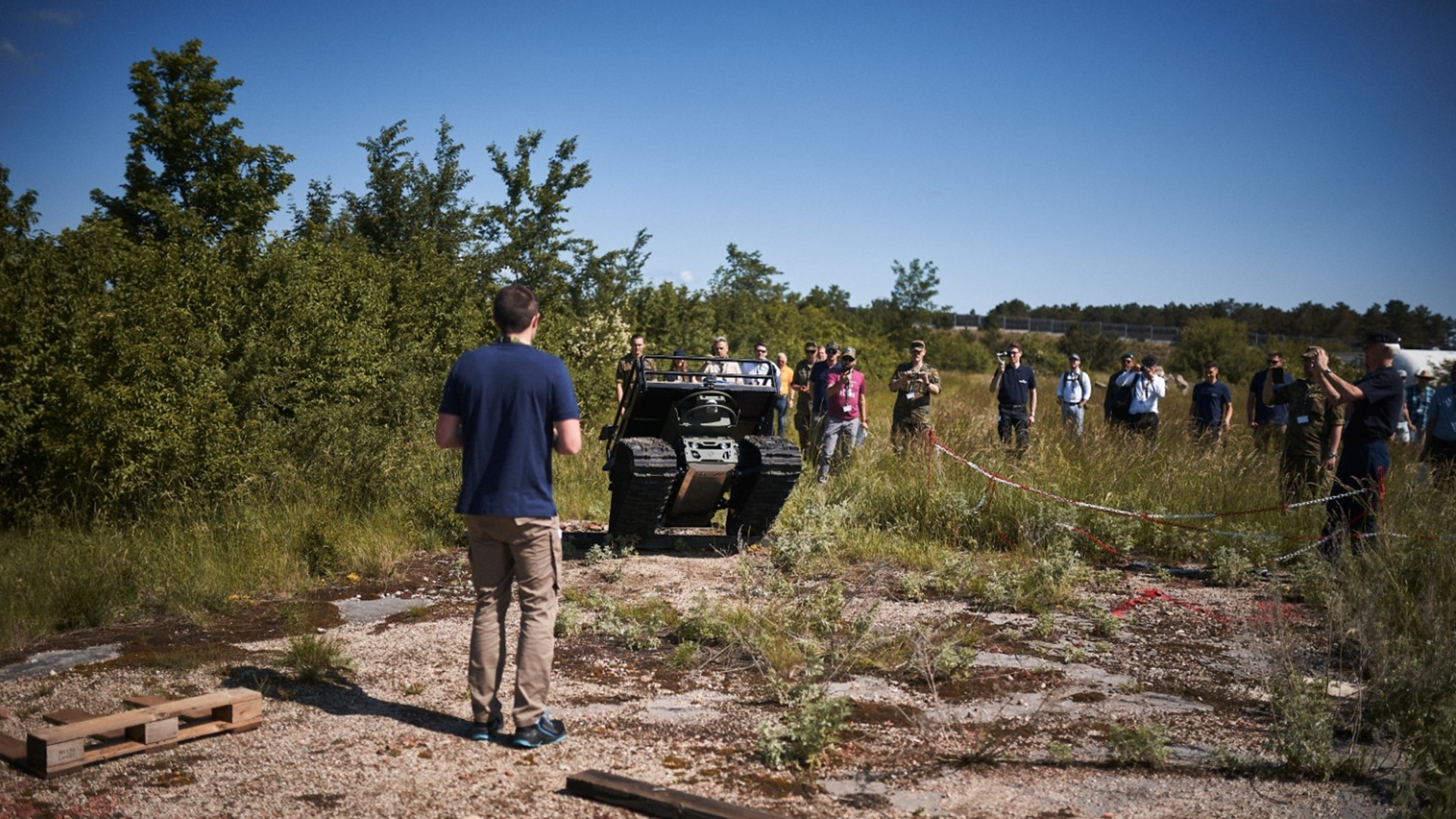
About a dozen teams will compete in the Mule/Transport category this year. Credit: Fraunhofer FKIE / Fabian Vogl
A jury led by Henrik I. Christensen, PhD, a Danish roboticist and professor of computer science at the UC San Diego Jacobs School of Engineering, will judge the robots based on performance, adaptability, reliability, and real-world applicability.
The competition will bring together teams from across Europe, including Poland, Germany, the Netherlands, Austria, Switzerland, and the Czech Republic, as well as Canada.
“This shows once again that ELROB more than lives up to its claim of bringing users, researchers and clients together,” Schneider concluded.
Originally written by: Georgina Jedikovska
Source: Interesting Engineering
Published on: 14 April 2026
Link to original article: Military robots take on one of the world’s toughest field tests in Swiss Army terrain
