
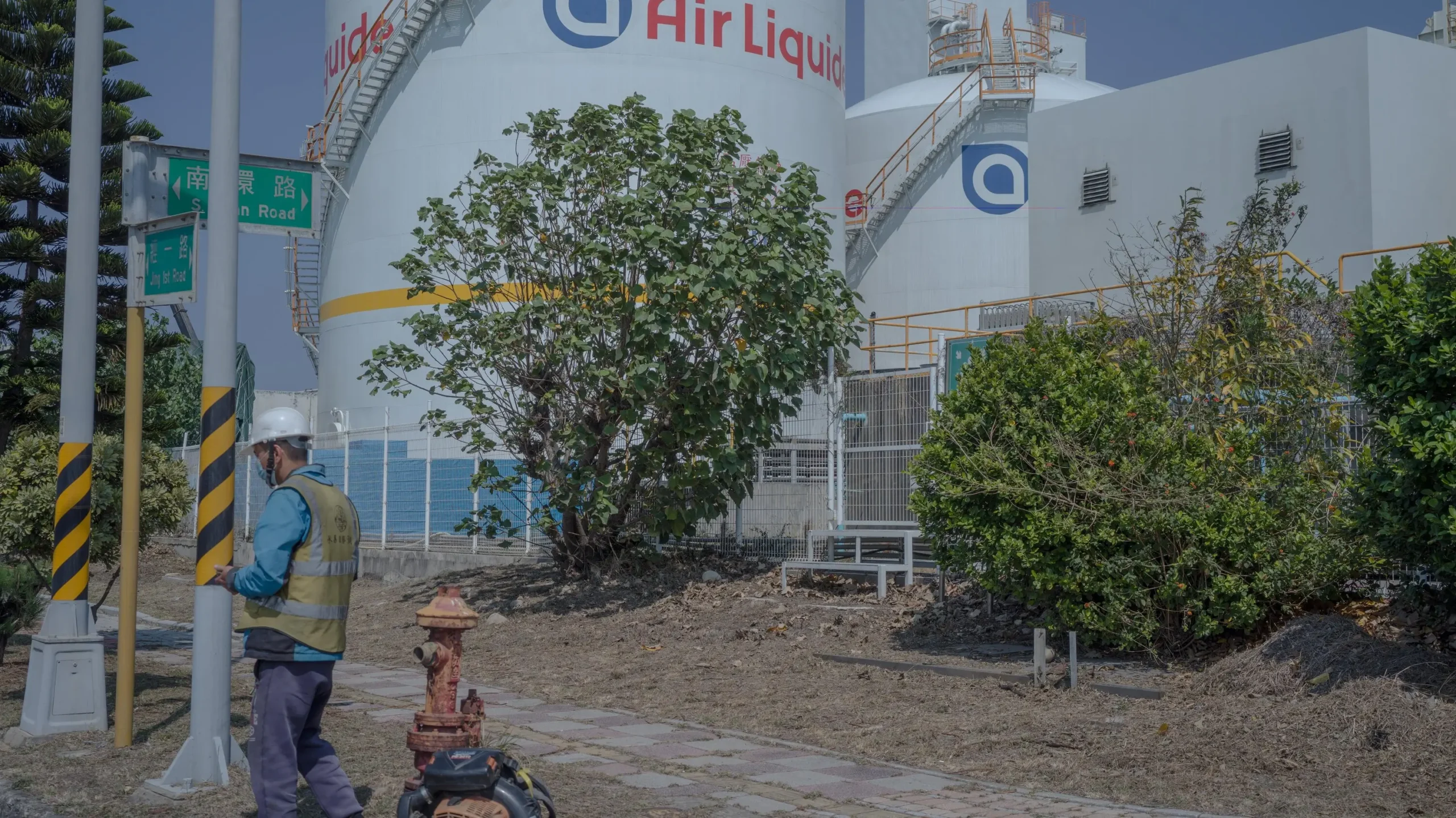
A tightening global helium supply is threatening the expansion of artificial intelligence and critical medical infrastructure as of April 14, 2026. The invisible gas remains a vital component for cooling the high-performance hardware required for the current AI boom.
As reported by The Guardian, the commodity is essential for a wide array of modern technologies beyond computing. It serves as a cooling agent for MRI machines in hospitals and the Large Hadron Collider, while also supporting deep-sea diving operations.
The current shortage stems from a fragile global supply chain that has faced repeated disruptions. Much of the world’s supply remains concentrated in specific geographic regions, including the Strait of Hormuz, where oil and gas extraction often yields helium as a byproduct.
Sophia Hayes, a professor of chemistry at Washington University in St. Louis, discussed the critical nature of the element during a recent briefing. The element’s unique properties make it nearly impossible to substitute in high-tech cooling applications.
Industry experts noted that this is not the first instance of the supply chain being compromised. Previous shortages have forced researchers and medical facilities to ration use or face significantly higher operational costs for liquid helium cooling systems.
The impact on the AI sector is particularly acute due to the massive scale of data centers currently under construction. These facilities require specialized cooling environments to maintain the stability of advanced processing units used for machine learning.
Future stability in the market depends on diversifying extraction sites and improving recycling technologies. For now, the scientific community and tech industry continue to monitor global shipping routes and extraction rates to mitigate potential long-term shutdowns of critical machinery.
Originally written by: Rina Maharani
Source: Asatunews
Published on: 14 April 2026
Link to original article: Global Helium Shortage Threatens Artificial Intelligence and Medical Sectors
